

La fragua del tempo
Sixth experiment 14'22"
it wakes up, but unlike the previous experiments, it is not in the subway. After the night in the mountains, he has maintained the continuity of this new present that welcomes him, multiplying his sensations. He continues to inhabit the time loop opened by the musical fragments that his new memory has stored, momentarily escaping the control of the scientists, although he knows that it is only a matter of time
he feels a wave of frequencies vibrating above the sound, it is the light of dawn in Almonaster la Real, Huelva. The sky clears and his left hand strikes a tambourine; it is the ringing of dawn to awaken the group. With each beat and vibration, the frequencies drop military and religious memories between the wooden hoops of the instrument. The morning grows and boys and girls in a circle play with their hands on an improvised table: Pimpineja
circles. Squares. The waves of low frequencies convey to you how tambourines were used by women in the ancient Mediterranean and the Near East to accompany ritual music: fertility, regeneration. The goatskin of the tambourine becomes square and vibrates westwards, towards the Portuguese Adufe and then southwards, sending waves towards the Arabian Duff. Jota redoubles on his back, the memories are lost out of his field of vision
while his right hand beats the pulse on the tambourine, his left hand holds a Kaval, the traditional flute of the Balkan shepherds. Their lungs fill with a melody whose destiny is to make the sheep eat in the meadow around them, and at the next breath, they breathe in a Serbian flute. The vibrations of the air are reminiscent of the Kāwālā (Arabic: كاوالاor كولة) and the Ney. The Huelva hills merge with the green slopes of Epirus (Greek, Ήπειρος, Épeiros, lit. 'continent'). The group awakens, join hands in a circle and turn against the clock following with their bodies the wail of a Mirologi. He feels how the scientists squeeze time to bring him back, he suffers. But the circle keeps him in this new present that turns against itself
the circle narrows, turns with three other men, to the sun, his name is Vincenzo Gallus. The four voices tune, they sing tenore, polyphony of northern Sardinia. Their mouths harmonize verses by Giovanni Pietro Cubeddu, a Sardinian shepherd and religious poet of the 18th century. When he was blamed for a death in his church, he fled and went into the mountains. Every Sunday he gathered the bandits of the area under an oak tree the four hearts beat at the same tempo, the circle turns to another sister island, and their voices transit to those of five Corsican women building a pastoral polyphony. Blades of grass, the circle settles on the earth
he feels his body being taken over by the scientists, they try to bring him back, to prevent him from experiencing his new present, to lengthen the loop of time opened by the fragments that his memory is now able to hold by intertwining them. His consciousness, resonating on the melody of his childhood, jumps into an interstitial space made of small momentary loops where the scientists do not seem to arrive
_Nahawand (نهاوند) tetrachord sounds, his consciousness turns in space-from Lebanon to Egypt, from the zither, to the psaltery, to the qanun, which in Arabic means "rule, law, principle"-and in time: the space of the zither grows between time loops, becomes a piano, and he, Abdallah Chahine, modifies it in Egypt to play Arabic modes with quarter tones, uniting past and future in a fold. In the 18th century, the martinet is the piece that strikes the strings of a harpsichord, or the clapper of a bell. Historical darkness around him, the sounds do not generate images when going so far back in time, dry blows convulse his body left behind
this new sound consciousness transforms each strike into the spark of something new. It strikes an anvil, sings a hammer, the double bellows of this sonorous forge that composes itself in this material darkness. The sound waves are tempered, he notices a change, free of his body, he can observe the scene of his childhood. Time does not flow, space vibrates. On the seashore he hears the space that the melody had treasured in his memory. He walks through it and enters the water. The memory he had of his own body is diluted and transformed. His consciousness begins to vibrate above 20Khz, a world of frequencies new to him. The light remains on the surface, the sea opens before him with all its depth
the waves that surround him tell him that he is not alone
Here you can see in detail the collage and the songs used in the piece with their albums / source files:





















- - album: vol 03 - Andalucía - Navarra. Magna Antología del Folklore Español
- - artist: Flute and tamboril rociero
- - place: Huelva, 1960
- album: La guitarra flamenca de Andrés Batista
- artist: Andrés Batista
- place: Barcelona, 1966
- album: Ávila / recordings Joaquín Díaz
- artist: Purificación Hernández, Filomena and "Burrillo"
- place: Ávila, 1995
Effect (blow) on the tape recording
- album: Toledo / recordings Joaquín Díaz
- artist: Teodora Merino
- place: Olías del Rey, Toledo, 1974
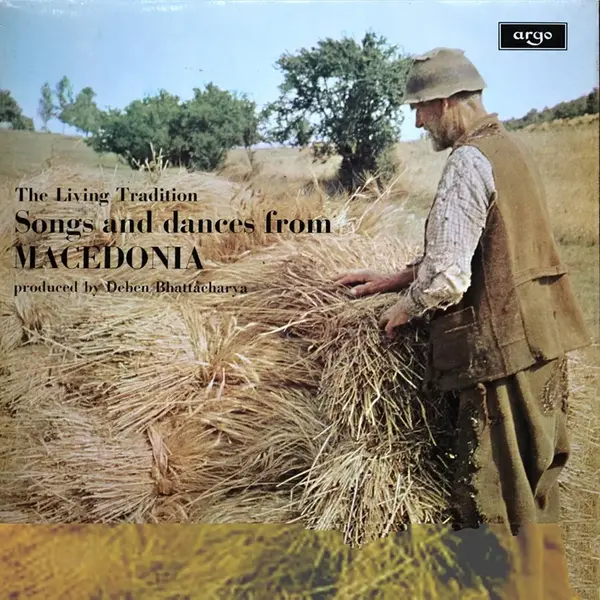
- album: Songs and Dances of Macedonia - Deben Bhattacharya
- artist: Mile Kolarov of Selo Dracevo
- place: Macedonia, 1965
This shepherd's melody is played to encourage the sheep to eat well while they are grazing in the pastures. Instrument: Kaval, an end-blown flute with seven front fingerholes, belonging to the shepherd's tradition.
- album: La tradición musical en España vol.14 Instrumentos tradicionales
- artist: Catalina Cera Fuentes
- place: Salamanca, 19??
Excerpted from the RNE program "Músicas de tradición oral - Del Pirineo a Galicia" on 29_04_18
- album: Music from the Middle East
- artist: VA
- place: Siria, 1967
Coffe in a Bedouin camp. The grinding of the beans is done with a wooden mortar and pestle. As the coffee is pounded, the up and down movement of the pestle produces the lower notes, and its sidewise movemet against the rim of the mortar produces the higher and ornamental beats.
- album: Serbia - Pastoral dances and melodies
- artist: Frula flute
- place: Serbia, 1991
- album: Burgos / recordings Joaquín Díaz
- artist: Ángel Rodríguez Tejedor
- place: Los Balbases, Burgos, 1987
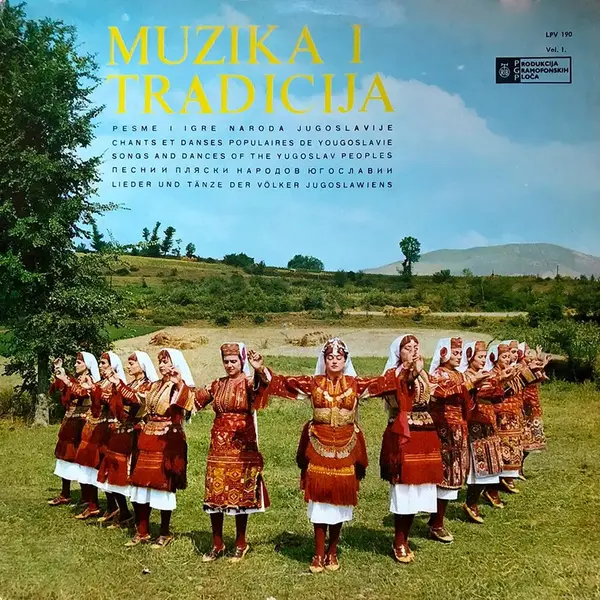
- album: Muzika I Tradicija - Vol. 1, Pesme I Igre Naroda Jugoslavije
- artist: Dragica Vilušić I Ana Marjanović
- place: Bosnia, 1970
Sedentary song (Western Bosnia)
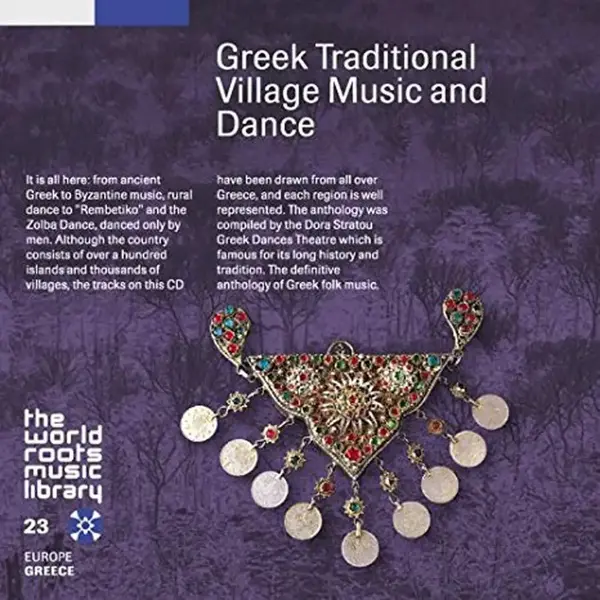
- album: Greek Traditional Village Music
- artist: George Brachopoulos/Alexander Tzoumas/Dimitris Tsakiris/Ermolaos Consolas
- place: Grecia, 1994
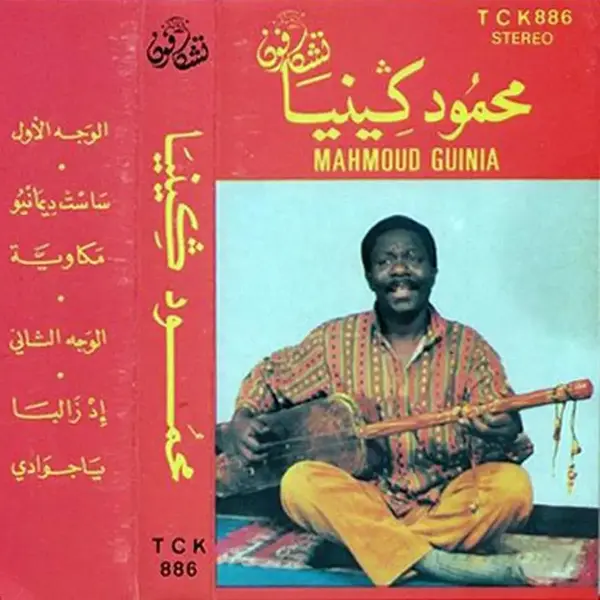
- album: Maâlem Mahmoud Guinia
- artist: Mahmoud Guinia
- location: Marruecos, 19???
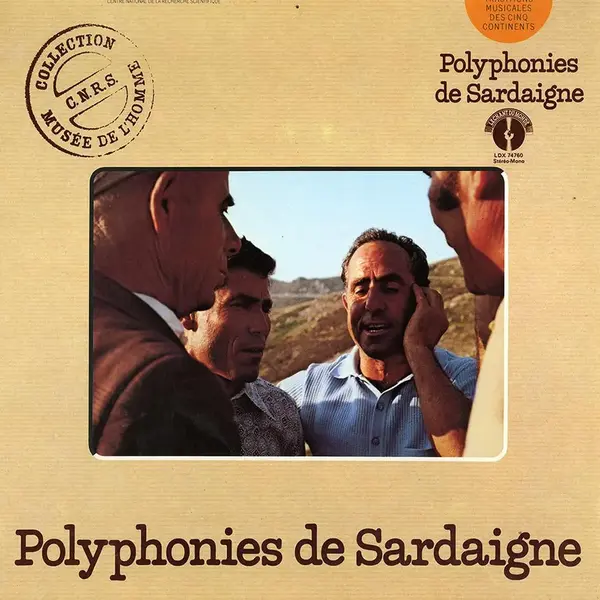
- album: Polyphonies de Sardaigne
- artist: Vincenzo Gallus, Gino Rosu, Tore Mula, Lillu Fara.
- place: Cerdeña, 1979
Chanteurs "Coro di Lodè" (Prov. de Nuoro)
- album: Músicas de tradición oral
- artist: Amador bermudez Fernandez
- place: Asturias, 1985
Excerpted from the RNE program "Músicas de tradición oral - Cancionero sonoro" on 27/05/18
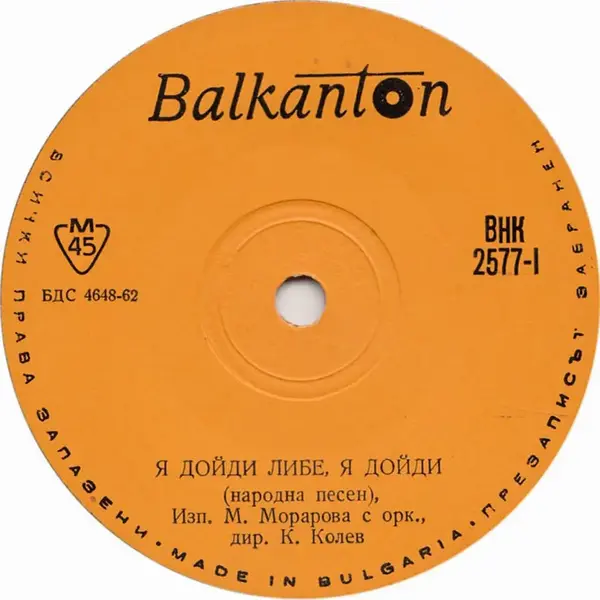
- album: Magdalena Morarova
- artist: Magdalena Morarova
- place: Bulgaria, 19??
Magdalena Morarova has recorded a great many original and rare songs for the Bulgarian National Radio audio library. She was born in the foothills of Mount Pirin, in the small town of Bansko
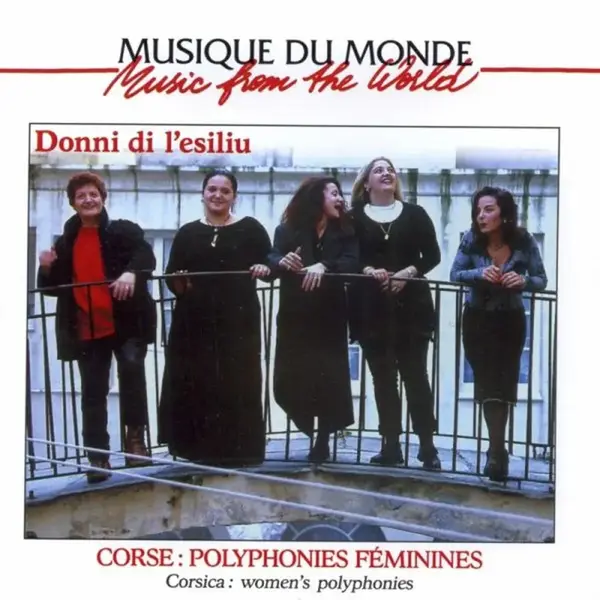
- album: Corse - Polyphonies Féminines
- artist: Donni di l'esiliu
- place: Córcega, 2000
- album: Al-Qahirah - Classical Music of Cairo, Egypt
- artist: Hesham El Araby
- place: El Cairo, 1998
- album: vol 01 - Castilla La Vieja - Canarias. MAGNA ANTOLOGÍA DEL FOLKLORE ESPAÑOL
- artist: VA
- place: Santander, 1960
- album: Vizcaya / recordings Joaquín Díaz
- artist: Isabel, "Tomate"
- place: Bilbao, 2006
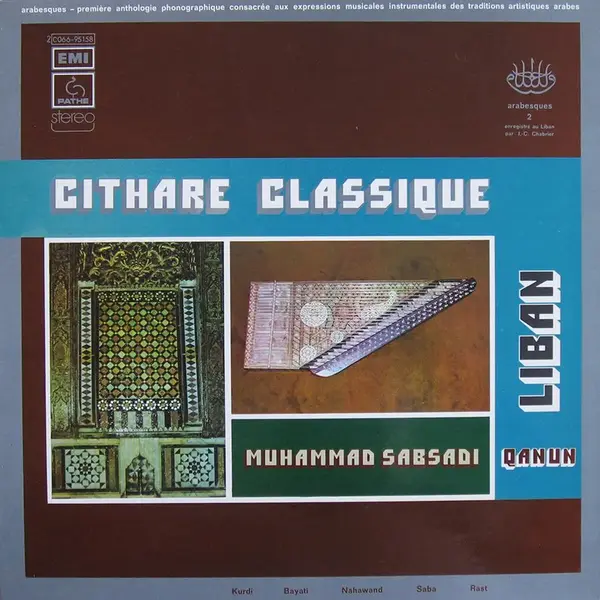
- album: Muhammad Sabsabi - Chitare Classique au Liban - Arabesques 2
- artist: Muhammad Sabsabi
- place: Libano, 1974
- album: Oriental Bouquet
- artist: Abdallah Chahine
- place: Egypt, 1974
Abdallah Chahine, Egyptian musician and inventor of the "oriental piano", which allowed to play Arabic modes with quarter tones.
- album: volume 01 - Castilla La Vieja - Canarias. Magna Antología del Folklore Español
- artist: VA
- place: Santander, 1960
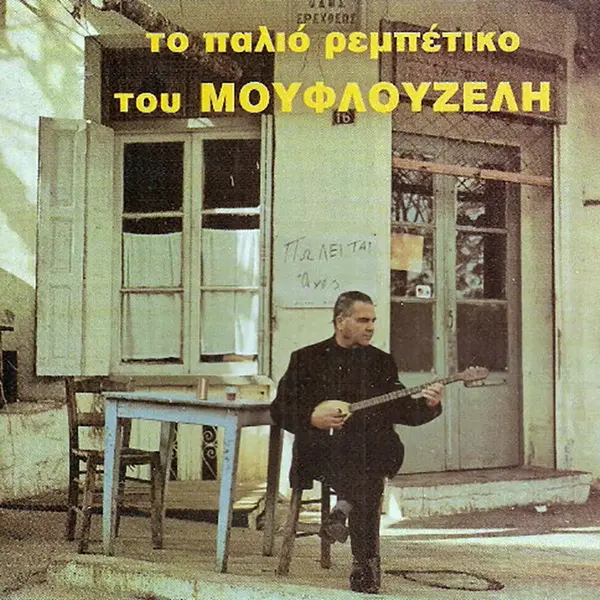
- album: The Old Muflouzelis Rebetiko
- artist: Giorgos Muflouzelis
- place: Grecia, 1996
- album: Sevilla / Alan lomax cultural equity
- artist: Núñez Montoya, Antonio (Chocolate)
- location: Sevilla, 1952
Session notes: The field record indicates that "these three tapes were made in a nightclub in the suburbs of Sevilla, characterized by gypsy dance and music".
- album: Mission S. Dreyfus en Albanie
- artist: VA
- place: Albania, 1956
Cornemuse (Gajda) y Tambour frappé, grabado en el Département de Korce
- album: Mission S. Dreyfus en Albanie
- artist: VA
- place: Albania, 1956
sung, female chorus. /AAL=accordion. /aabs=double clarinet. /m=drum
- album: Albanie - polyphonies vocales et instrumentales
- artist: VA
- place: Albania, 1983
Recorded by Bernard Lortat-Jacob
- album: Our Tangos from Past to Present
- artist: Zeki Müren
- place: Turquía, 1999
- album: Mission S. Dreyfus in Albanie
- artist: Lock Gjini ;Kolë Gurashi; Kolë Lufi ;Pjeter Tafil
- place: Albania, 1956
Sounds from the recording tape at the beginning of the album
- album: Mission S. Dreyfus in Albanie
- artist: VA
- place: Albania, 1956
Sounds from the recording tape at the beginning of the album
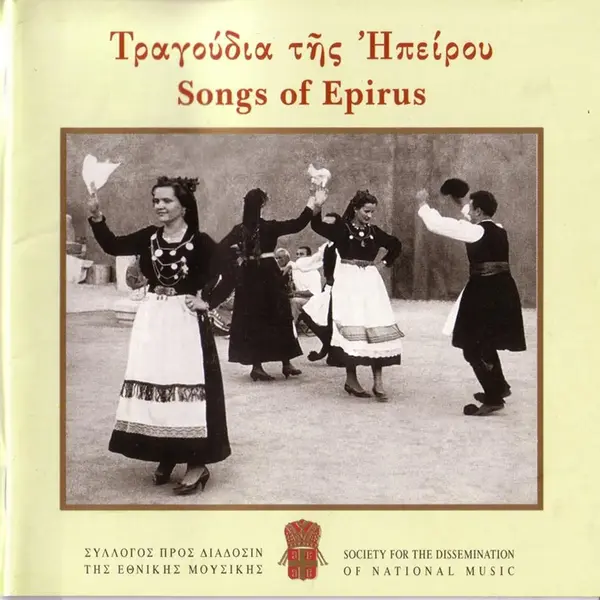
- album: Songs of Epirus
- artist: VA
- place: Grecia, 1975
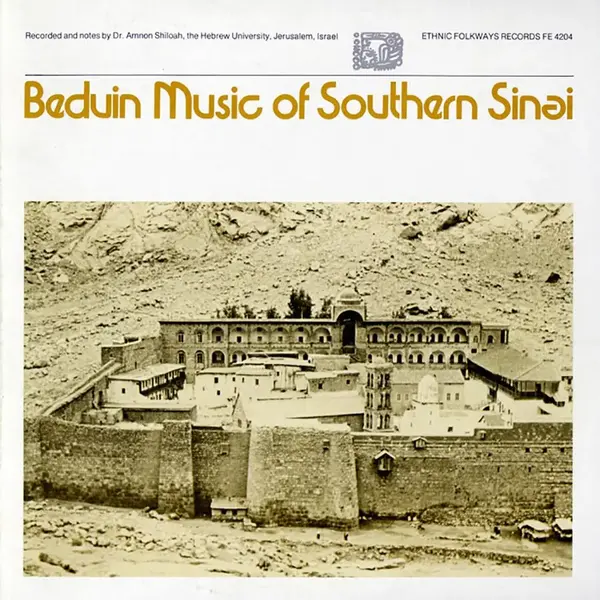
- album: Bedouin music of Southern Sinai
- artist: Mzina tribe
- place: Sinai, 1978
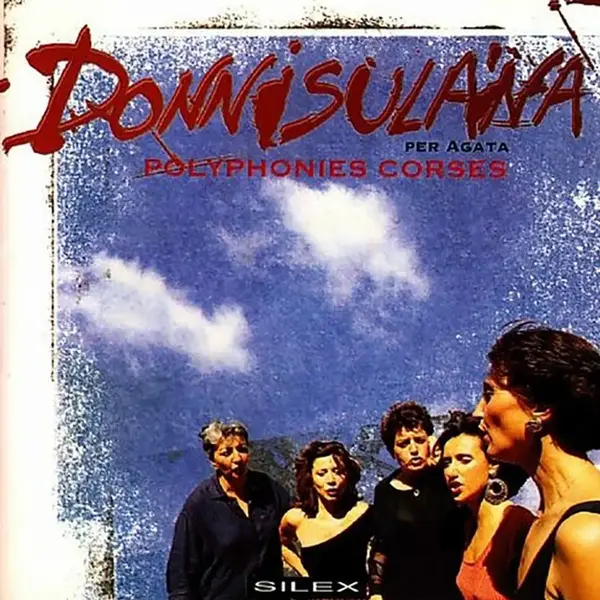
- album: Per Agata
- artist: Donnisulana
- place: Córcega, 1992
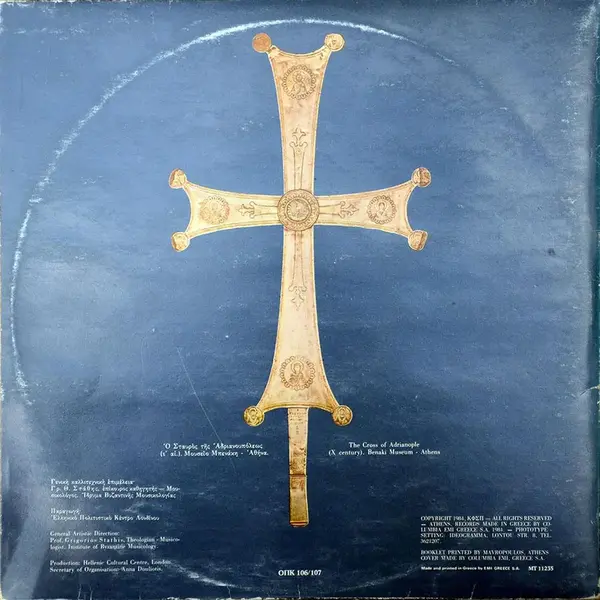
- album: The Akathistos Hymn and the Veneration of the Cross
- artist: Ecumenical Patriarch Dimitrios
- place: Constantinopla, 1984
Recording of the third part of the Salutations in the church of the Mother of God at Blachernae on the morning of Friday, 8 April 1983, and the Veneration of the Cross on Sunday 10 April, in the Patriarchal Church.
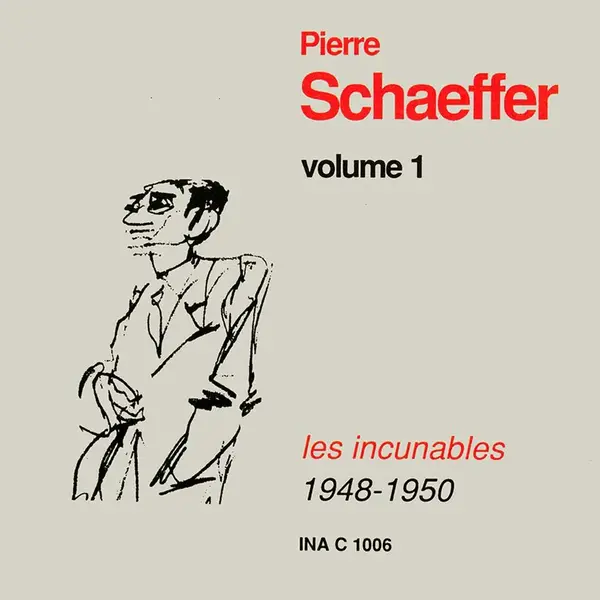
- album: Cinq études de bruits (Five Studies of Noises)
- artist: Pierre Schaeffer
- place: Francia, 1948
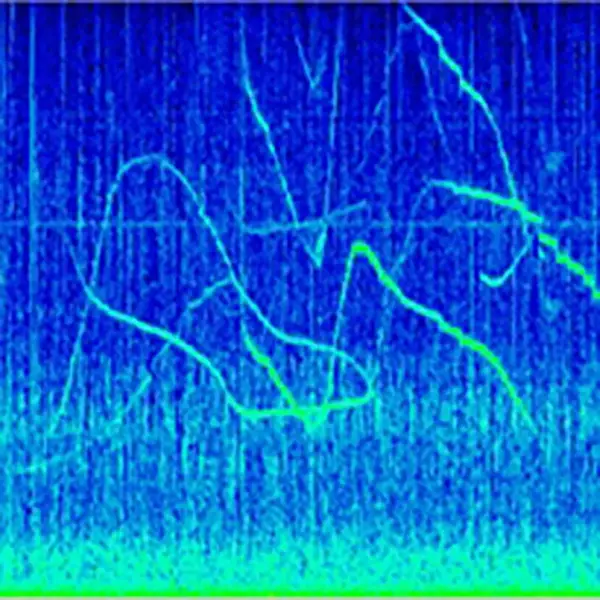
- album: The voices of marine mammals of the Mediterranean Sea
- artist: Striped Dolphin (Stenella coeruleoalba)
- place: Mediterráneo, 2005
