

Ronda in the night of exile
Fifth experiment 9'24"
back in the lab again, he feels that something has changed. The field director is there. The scientists prepare new injections to stabilize the sessions. Now they want you to travel only through a particular fragment, to the origin of the fragment, and try to bring some object back to the present. But the emotions of his previous journeys have intertwined with the melody of his childhood creating new affinities for him, like luminescent roots underwater. When he is injected with the sonorous memory of the conductor, his mind rejects it. He feels his bones contract, but an earlier heartbeat opens a way out, he hears voices that seem to call to him from another time he remembers the strait, the storm of sand, of water, feels his body floating on the surface. The light warms his eyelids, he floats. He hears a sweet voice. A small moon-faced Sephardic woman is singing as she looks at him, her name is Flora Benamol. She is singing a wedding romance from the 14th century, its verses have been macerating in the memory and song of the Sephardic community of Morocco that later also passed to Gibraltar, since they were expelled from the peninsula in 1942. Flora's voice is now theirs too
by variations in her ear pressure, she feels that the scientists are after her new present. He is in Ronda, he has arrived by the smuggling routes from the rock of Gibraltar, like the serrana he begins to feel touching in his hands. His name is Silverio Franconetti, he was a tailor, his father was Roman and head of the Walloon guard, Flemish, in the Netherlands. He plays the guitar walking along the roads at dawn, his exodus companion, Mahmoud Guinia, brings sounding from Tetouan some qraqeb (in Arabic, قراقب), some crotales of his Gnawa brotherhood, he says they sound like the shackles worn by his ancestors, gnawi, a Berber term related to the dark color of the skin they hear a cry up on the hill, an Irrintzi in the voices of Basque shepherds. According to the chroniclers of the Middle Ages the prolonged cries of the mountaineers frightened the Muslims, but their sound is the same as that of the Berber women of the High Atlas when they prepare the wedding ritual. The stone of the Ronda mountains sounds like that of the Basque mountains (Euskal Mendiak) and that of the High Atlas, the same stone, the same night
they sit by the fire with other walkers, his guitar becomes a violin standing on his knees. He is known as Mohamed Tahar Fergani, from Constantina, not the one in the Sierra Norte de Sevilla, but the Algerian one, and his violin intones a Ma'luf (in Arabic مألوف), classical Algerian music of Andalusian origin. Transculturation on the back of exodus and diaspora _The voices and melodies no longer pierce him, he is able to experience them as a close and familiar other. Around the fire, Solekha, from Al Hoceima, sings in Tarifit, and Francisca Gaviño sings and distributes olives from Bormujos around the embers
_His violin begins to intone Arvanite music, the fire is stoked, his memory is that of Giorgos Papasideris (Γιώργος Παπασιδέρης) from the Island of Salamina. It sings remembering the settlers who moved to Greece from Arvana (Άρβανα) in Albania. They sing and the frequencies of the rondeña, of the fandango, vibrate in the sky like a celestial night round, marking their way
scientists have not been able to extract it from the sonorous flow, its body inhabits another present._ continue reading...
Here you can see in detail the collage and the songs used in the piece with their albums/files of provenance:
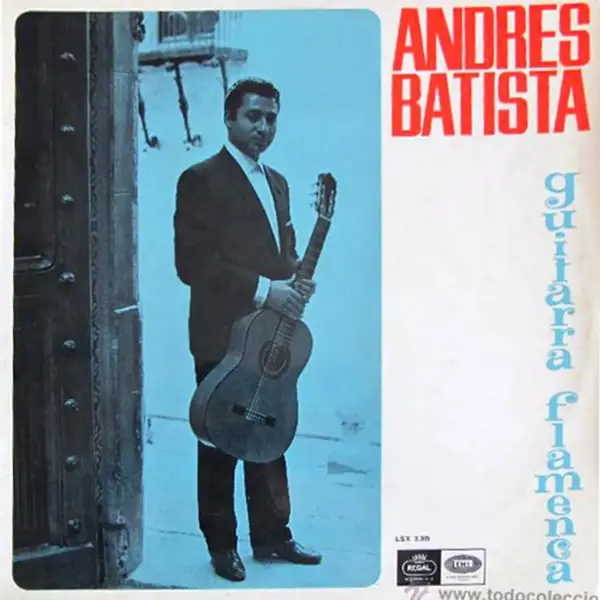








album - Andrés Batista's flamenco guitar
artist - Andrés Batista
place - Barcelona, 1966
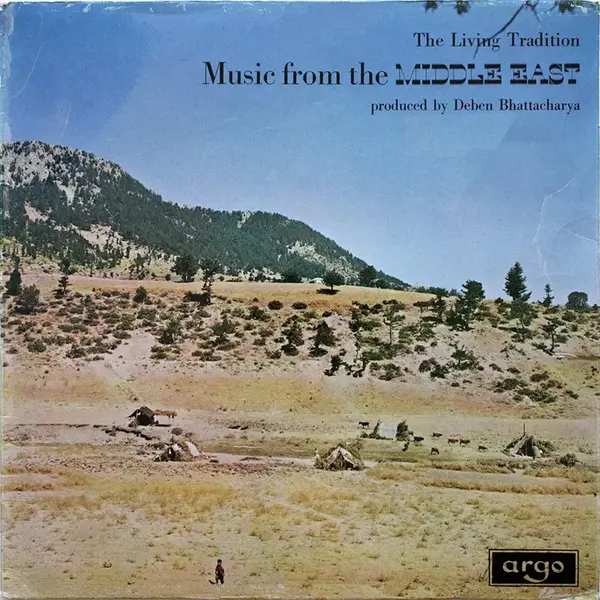
album - Music from the Middle East
artist - VA
place - Siria, 1967
Coffe in a Bedouin camp. The grinding of the beans is done with a wooden mortar and pestle. As the coffee is pounded, the up and down movement of the pestle produces the lower notes, and its sidewise movemet against the rim of the mortar produces the higher and ornamental beats.
album - Asturias / Alan lomax cultural equity
artist - Ascensión Mazuela-Anguita
place - Asturias, 1952
On the tape box, Lomax notes - 'Sevillano, girandilla, the 3 old ladies'.
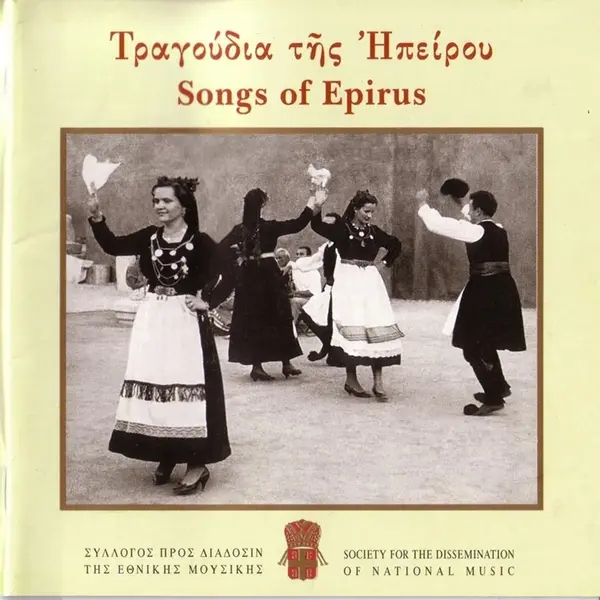
album - Songs of Epirus
artist - VA
place - Grecia, 1975
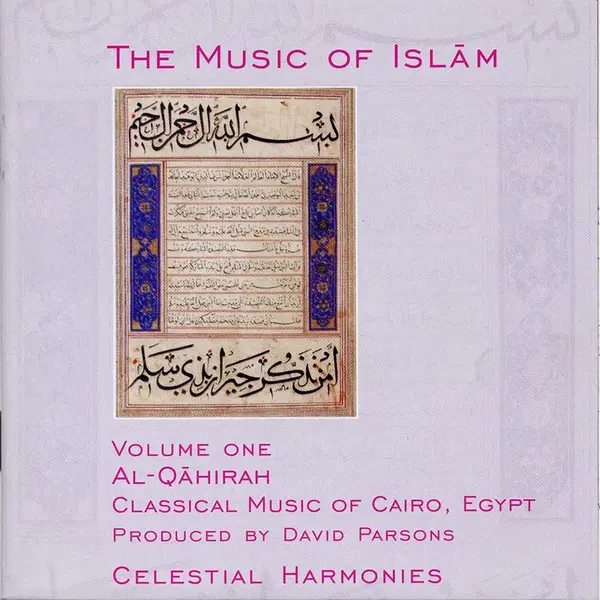
album - Al-Qahirah - Classical Music of Cairo, Egypt
artist - Hesham El Araby
place - El Cairo, 1998
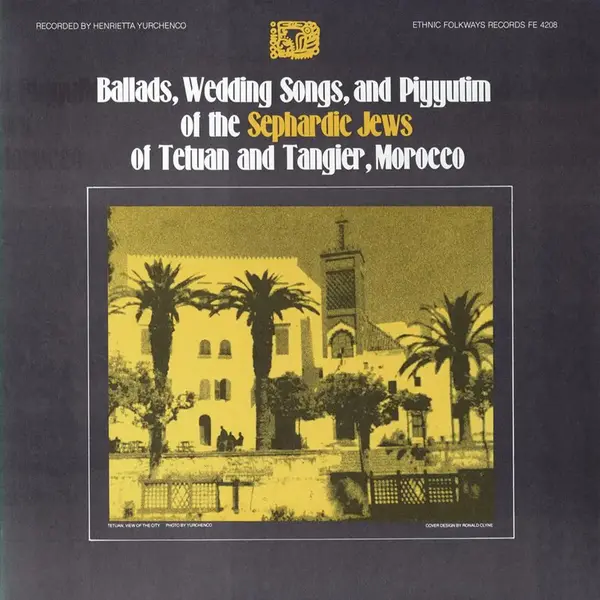
album - Ballads, Wedding Songs and Piyyutim of the Sephardic Jews of Tetuan and Tangier, Morocco
artist - Flora Benamol
place - Tetuán, 1983
Grabaciones de Henrietta Yurchenco de romances cantados por la población judía de Tetuán, Marruecos. 'The gentlest was Flora Benamol, a plump, moonfaced little woman who sang with such tenderness that tears came to my eyes.'
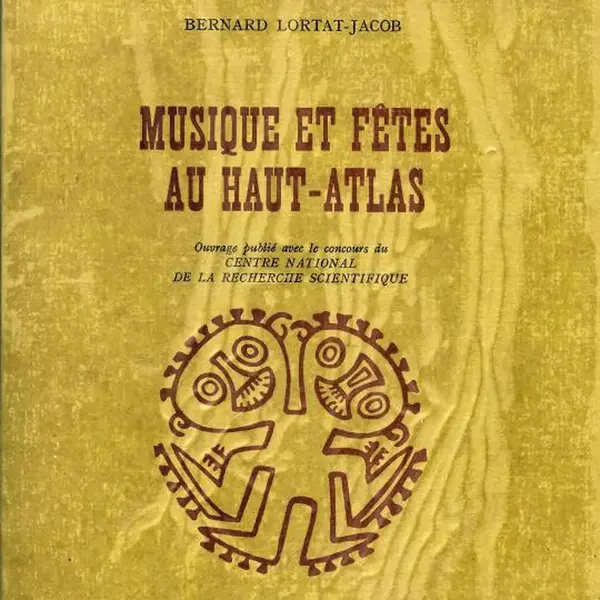
album - Musique et fêtes au Haut-Atlas [Disque encarté]
artist - VA
place - Morocco, 1969
Recorded during the wedding ritual - 'These verses are sung several times when the mule leaves to fetch the bride home; by their content, they refer directly to this situation. Mimoun, who is asked to tie the mule, is apparently a mythical character.'
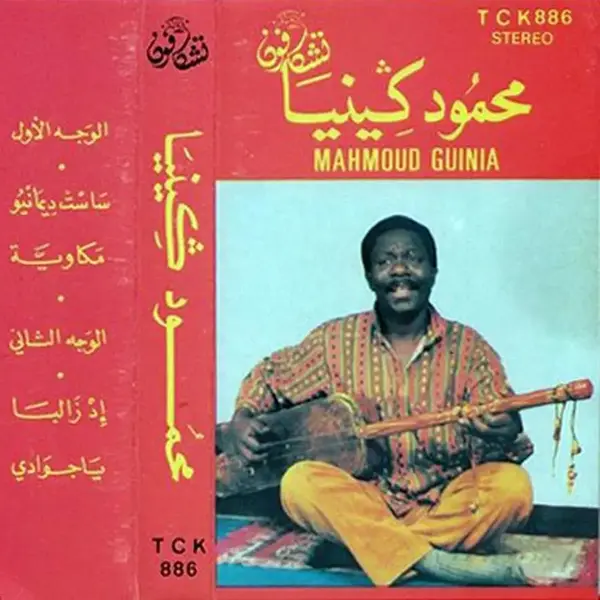
album - Maâlem Mahmoud Guinia
artist - Mahmoud Guinia
place - Marruecos, 19??
album - Musique Traditionnelle Turque
artist - Ulvi Erguner, Akagündüz Kutbay and Dogan Ergin
place - Turquía, 1971
album - Navarra / Alan lomax cultural equity
artist - Mariano Izeta
place - Navarra, 1952
Irrintzi, cry in Basque. It is a high-pitched, shrill and long cry that was used in the Basque Country among shepherds and country people to signal each other by making it resound on the flanks of the mountains. Nowadays it is used as a manifestation of joy. It is heard in festivals and demonstrations of joy (Wikipedia)
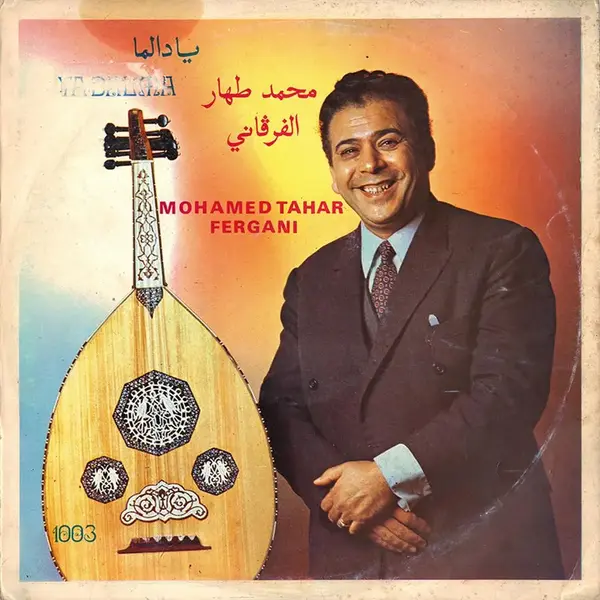
album - Ya Dalma
artist - Mohamed Tahar Fergani
place - Argelia, 1970
album - Cáceres / recordings Joaquín Díaz
artist - Vecinos de Viandar de la Vera
place - Spain, 1979
Recorded by Macario Santamaría
album - Maroc. Ait Youssef,M.
artist - Confrérie (sidi bennamour)
place - Marruecos, 1965
album - Al Hoceima 9/67 / Alan lomax cultural equity
artist - Solekha
place - Marruecos, 1967
Recordings of love songs and dances sung by a woman named Solekha in the port city of Al Hoceima in the Rif region. She sings in Tarifit, the language of the Imazighen (Berbers) of the Rif Mountains and surrounding Mediterranean coastline
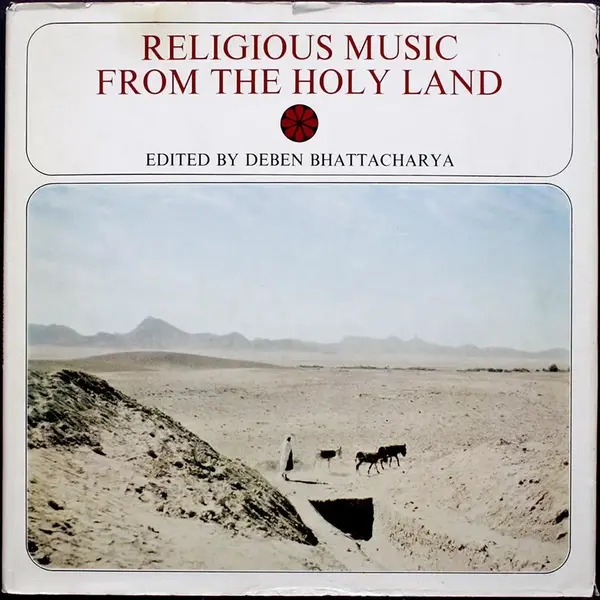
album - Religious Music from the Holy Land
artist - VA
place - Palestina, 1968
album - Sevilla / Alan lomax cultural equity
artist - Francisca gaviño
place - Sevilla, 1952
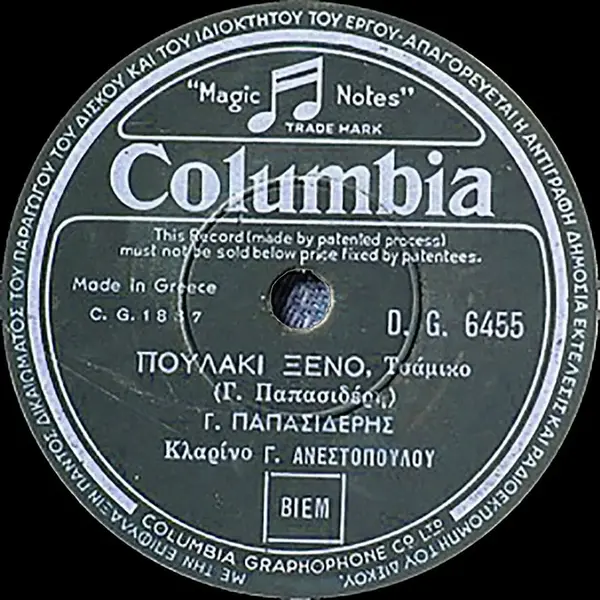
album - GREEK_-_COLUMBIA_DG6455-CG1887
artist - Giorgos Papasideris
place - Grecia, 19??
Giorgos Papasideris (Greek - Γιώργος Παπασιδέρης 14 September 1902 – 8 October 1977) was a Greek singer, composer, and lyricist of Arvanite origin. He was born on Salamis Island. After leaving elementary school, he spent his entire career working professionally in the field of traditional Greek folk music and Arvanite folk music, producing many popular recordings. (Wikipedia)
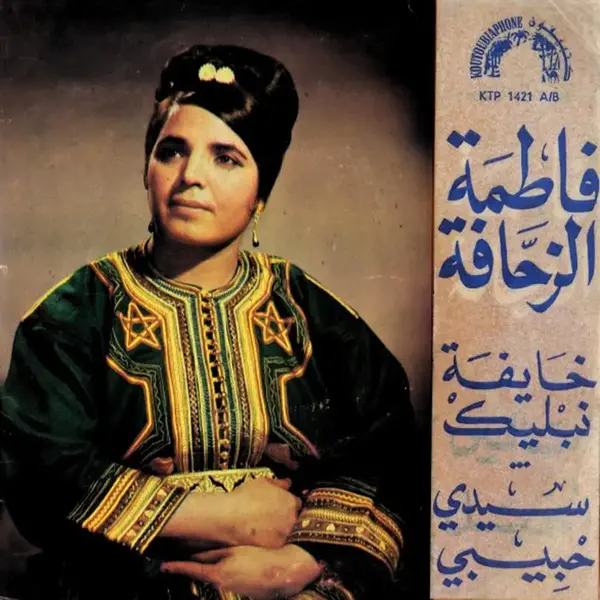
album - Khaïfa Nablik - Sidi Habibi
artist - Fatma Zahafa
place - Marruecos, 19???
album - Libye -Teda,Fezzanais. Bradily,M.
artist - Teda people
place - Libia, 1969
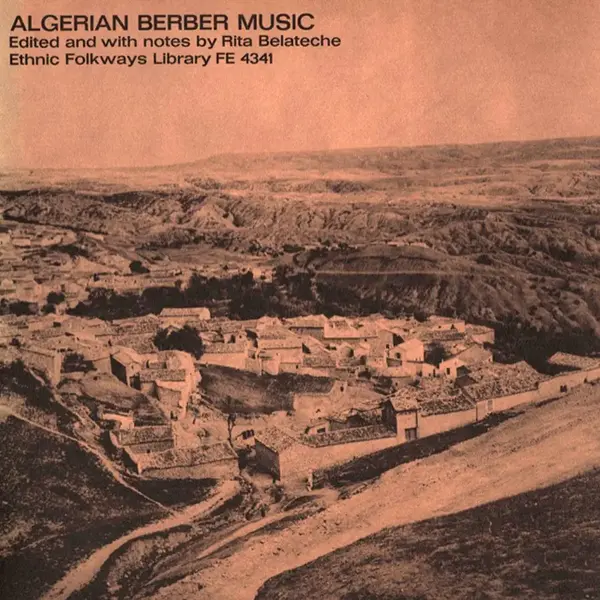
album - Algerian Berber Music
artist - A Young Woman
place - Argelia, 1966
A love song called 'Alone'. The Kabil word for alones is 'Wahadi'
